

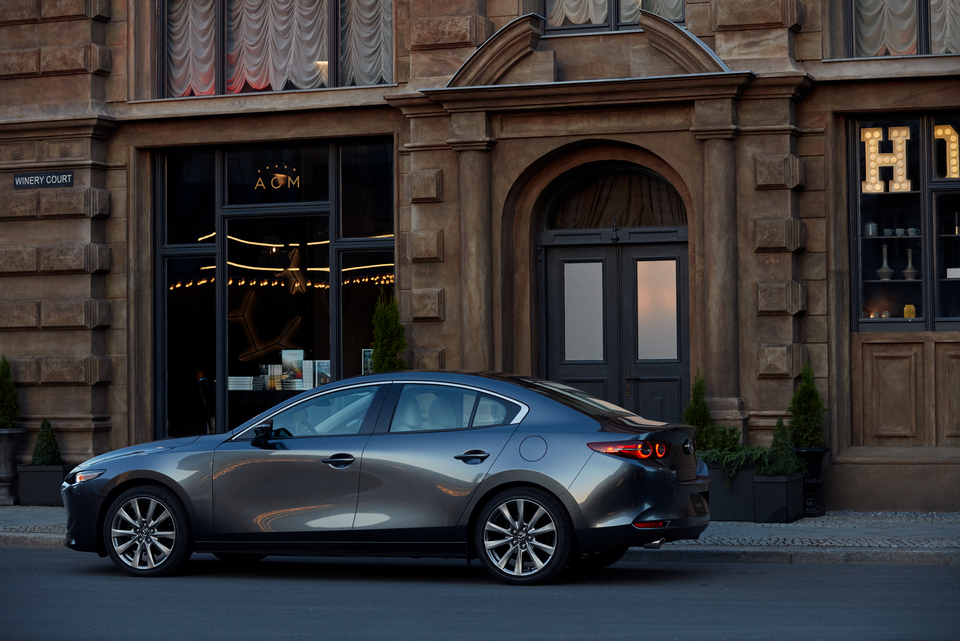
Walking into the Mazda lineup for the first time can feel a little like learning a new alphabet. CX-30, CX-50, CX-70 — what’s the difference, and which one is actually for you? Add in trim levels like “2.5 S Preferred” and “Turbo Premium Plus,” and it’s easy to feel like you need a decoder ring.
You don’t. This guide walks through every 2026 Mazda model in plain language, explains how the trim system works, and matches each vehicle to the kind of life you’re actually living. If you’re brand new to Mazda, start here.
How Does Mazda Organize Its Vehicles?
Mazda’s lineup divides into two main groups: cars and crossover SUVs. The cars are the Mazda3 (available as a sedan or hatchback) and the MX-5 Miata sports car. Everything else — the CX-30, CX-5, CX-50, CX-70, and CX-90 — is a crossover or SUV.
The CX numbers give you a rough sense of size. Higher number generally means larger vehicle. The CX-30 is Mazda’s smallest crossover. The CX-90 is its biggest. The CX-5 and CX-50 sit in the popular compact sweet spot where most buyers land. The CX-70 is a two-row midsize option between the CX-50 and CX-90.
One thing Mazda does differently from most brands: every model includes i-ACTIVSENSE safety technology as standard equipment, regardless of trim level. You don’t have to pay extra to get blind spot monitoring or automatic emergency braking — it comes on all of them.
What Are All the 2026 Mazda Models?
A refined, driver-focused sedan with an upscale interior feel that punches well above its price. Available with AWD. Best fuel economy in the lineup.
Same premium interior as the sedan with a more versatile cargo door and sportier roofline. A strong pick for urban drivers who occasionally haul gear.
Mazda’s iconic two-seat roadster. Available as a soft-top convertible or retractable fastback (RF). Not practical — but genuinely one of the most fun-to-drive vehicles at any price.
Mazda’s smallest SUV — easy to park, stylish, and available with a turbocharged engine. A strong fit for urban and suburban drivers who want the higher crossover seating position without a large footprint.
Mazda’s best-seller, newly redesigned for 2026. Standard AWD on every trim, a premium cabin, and a 12.9-inch touchscreen standard. The benchmark compact SUV in the lineup.
Similar size to the CX-5 but adventure-focused, with a trail-tuned suspension, standard AWD, and available Hybrid powertrain (38 MPG combined). The Meridian Edition adds off-road capability.
A two-row midsize SUV sharing its platform with the CX-90 but without the third row. Available with a 280 or 340 hp turbocharged inline-6, or a plug-in hybrid powertrain. Near-luxury experience at a mainstream price.
Mazda’s largest vehicle and only three-row SUV. Seats seven or eight. Available with a turbocharged inline-6 or plug-in hybrid (323 hp combined). A genuine alternative to luxury three-row vehicles at a lower price.
Pricing shown is base MSRP and excludes taxes, title, license, and destination charge. Prices verified as of July 2026 — confirm current pricing with our team, as these may change.
Which Mazda Fits Your Lifestyle?
The best Mazda for you depends less on spec sheets and more on how you actually spend your time. Here’s a practical breakdown by lifestyle.
The Daily Commuter — solo or with a partner, mostly city and highway driving
If most of your driving is getting to work and back, the Mazda3 is the right move. It’s the most fuel-efficient vehicle in the Mazda lineup, the easiest to park in tight spots, and the most affordable starting point in the brand. The interior quality is genuinely surprising for the price — it feels considerably more expensive than it is.
The Sedan suits buyers who want a traditional trunk and don’t need the extra cargo flexibility. The Hatchback is better if you occasionally throw bikes, luggage, or a weekend’s worth of gear in the back.
Also consider: Mazda CX-30 if you prefer a higher seating position and slightly more cargo room, and don’t mind paying a little more to start.
The Young Family — one or two young children, car seats, weekend errands
The CX-5 is Mazda’s most family-tested compact SUV. The newly redesigned 2026 model specifically improved the rear door opening to make child seat installation easier. The rear seat is wide enough to fit two car seats side by side without crowding the middle, and standard AWD means you’re not paying extra for all-weather capability.
At the Preferred trim ($34,250), you add a power liftgate — genuinely useful when your hands are full of grocery bags and a toddler. Heated front seats round out the practical comfort picture for Michigan winters.
Also consider: Mazda CX-50 if your family is also outdoors-oriented and you want trail capability alongside the family practicality. It accommodates two car seats in the same configuration.
The Growing Family — three or more kids, or you regularly carry five or more passengers
When two rows aren’t enough, the CX-90 is the answer. It’s Mazda’s only three-row SUV, seating seven or eight passengers depending on configuration. The second row is where most families put car seats — and it’s a wide, accessible row that makes getting in and out manageable even with young passengers.
What makes the CX-90 different from its three-row competition is what it feels like to drive. The turbocharged inline-6 engine — available in 280 or 340 hp — gives it a composure and power reserve that most family haulers simply don’t have. The PHEV option adds 323 hp combined and a meaningful electric-only range for households that plug in at home.
Also consider: Mazda CX-70 if you only occasionally carry a fifth passenger and prefer to skip the third row — it shares the CX-90’s platform and powertrain at a similar price point.
The Outdoor Enthusiast — camping, hiking, trails, hauling gear
The CX-50 was designed with this lifestyle in mind. Standard AWD, raised ground clearance, roof rails, and a trail-tuned suspension give it genuine capability beyond paved roads. The Meridian Edition specifically adds off-road-ready elements and the rugged exterior details to match.
For buyers who cover serious mileage on the way to trailheads or campsites, the CX-50 Hybrid (38 MPG combined) is worth a close look — it extends your range between fill-ups without sacrificing AWD capability. The turbocharged 2.5T option bumps output to 227 hp if towing or mountain passes are part of your weekend plans.
Also consider: Mazda CX-70 if you want more passenger room and a more powerful inline-6 engine for serious hauling, while keeping two-row simplicity.
The Fuel-Conscious Buyer — maximizing efficiency without giving up capability
The CX-50 Hybrid is Mazda’s most fuel-efficient SUV, rated at 39 city / 37 highway / 38 combined MPG, with standard AWD — a combination that’s genuinely rare in the class. It starts at $34,750 for the Hybrid Preferred and scales up with features from there.
For buyers who plug in at home, the CX-90 PHEV takes efficiency further with a significant all-electric range for daily commutes, dropping into hybrid mode on longer trips.
Also consider: Mazda3 Sedan if you want the best combined fuel economy in the lineup at an even lower price point, and don’t need an SUV body style.
The Driving Enthusiast — performance matters as much as practicality
If the drive itself is part of why you buy a car, Mazda has more to offer than most people realize. The MX-5 Miata is one of the best-reviewed sports cars at any price — a two-seat roadster that handles with a precision most sports cars twice its cost can’t match. It’s not practical, and it knows it.
If you need practicality and want a driving experience that feels alive, the Mazda3 Turbo is the under-the-radar answer. Available with AWD and a turbocharged engine producing over 220 hp, it delivers sports car performance in a refined four-door body. It also looks identical to the base Mazda3, which has its own quiet appeal.
Also consider: Mazda CX-50 Turbo or CX-70 Turbo S if you want the driving engagement of a performance vehicle in a larger, more versatile SUV package.
The First-Time Car Buyer or Teen Driver — safety, value, and ease of driving
Mazda tied for the most models recommended for teen drivers by both IIHS and Consumer Reports in 2026 — more than Toyota and Honda combined. Every Mazda includes automatic emergency braking, blind spot monitoring, and lane keep assist as standard equipment, regardless of trim. These aren’t optional upgrades; they come on the base model.
The Mazda3 Sedan is manageable to park and operate, affordable to insure given its safety ratings, and genuinely nice to be in every day — an important factor for a new driver who’ll spend years with it. The CX-30 is a step up in size and visibility if that would build more confidence behind the wheel.
Also consider: Certified pre-owned Mazda options for a teen driver — the CX-5 and Mazda3 hold up exceptionally well used and come with the CPO warranty for added peace of mind.
How Do Mazda Trim Levels Work?
Once you’ve landed on the right model, trim levels determine how that model is equipped. Mazda’s trim structure is more consistent across the lineup than most brands — the same names tend to mean the same things regardless of which model you’re buying.
The general progression, using the CX-5 as an example:
| Trim | Starting Price | What It Adds | |
|---|---|---|---|
| 2.5 S | $29,990 | Standard AWD, 12.9-inch touchscreen, wireless CarPlay/Android Auto, i-ACTIVSENSE safety, LED headlights, cloth seats | Best Value |
| 2.5 S Select | $31,990 | Adds heated front seats, satellite radio, additional interior refinements | |
| 2.5 S Preferred | $34,250 | Adds power liftgate, driver seat memory, head-up display, heated steering wheel, 19-inch wheels | Most Popular |
| 2.5 S Premium | $36,900 | Adds panoramic moonroof, leather-trimmed seats, dual-zone automatic climate control | |
| 2.5 S Premium Plus | $38,990 | Adds 15.6-inch display, ventilated front seats, premium audio, full luxury feature set | Top of Range |
Pricing based on 2026 Mazda CX-5 trim levels. CX-50, CX-30, and other models follow a similar structure but have different price points and some model-specific trim names (such as the CX-50 Meridian Edition). Confirm specific trim availability and features with our team.
What about Turbo trims?
On models where a turbocharged engine is available — the CX-30, CX-50, Mazda3, CX-70, and CX-90 — “Turbo” trims are a separate track rather than just the next step up. They include the more powerful engine as well as premium features. If performance matters to you, look at the Turbo trim lineup specifically. If it doesn’t, the standard engine trims cover everything most buyers need.
Which trim should I actually buy?
The Preferred trim is where most buyers land across the Mazda lineup, and for good reason. It adds the features that make a meaningful daily difference — heated seats for Michigan winters, a power liftgate, and a head-up display — without jumping into the full luxury tier. If you’re unsure, starting at Preferred and deciding whether the Premium moonroof and leather are worth the upgrade is a reasonable approach.
The base S trim is genuinely well-equipped and a strong value if budget is the priority. Don’t assume base means bare — a base Mazda includes features that cost extra on comparable competitors.
See the 2026 Mazda Lineup at LaFontaine Mazda Kalamazoo
LaFontaine Mazda Kalamazoo carries the full 2026 Mazda lineup — from the Mazda3 to the CX-90 — for buyers across Southwest Michigan, including Portage, Battle Creek, Grand Rapids, Holland, and Allegan. If you’re working through which model and trim makes sense for your life, our team is here to walk you through it without pressure. Bring your car seats, bring your questions, and take the time you need.
Frequently Asked Questions: New to Mazda
Which Mazda is best for families?
For families with young children, the Mazda CX-5 and CX-50 are the most popular choices. Both offer standard AWD, IIHS Top Safety Pick+ ratings, and rear seats wide enough to accommodate two car seats side by side based on standard seat dimensions — always do a test installation with your specific seats before purchasing. For families needing three rows or five or more passengers regularly, the Mazda CX-90 seats seven or eight and is Mazda’s flagship family SUV.
What is the difference between the Mazda CX-5 and CX-50?
The 2026 CX-5 and CX-50 start within $100 of each other and both include standard AWD. The CX-5 is more refined and family-focused, with a newly redesigned interior and larger touchscreen. The CX-50 leans toward outdoor and adventure use, with a Meridian Edition built for trail driving, more ground clearance, and a hybrid powertrain option rated at 38 MPG combined.
How do Mazda trim levels work?
Mazda trims follow a consistent progression: S (base), Select, Preferred, Premium, and Premium Plus. Every trim includes full i-ACTIVSENSE safety technology as standard. The biggest practical upgrades come at the Preferred level — heated seats, power liftgate, and head-up display. Premium adds leather and a moonroof. Turbo trims are a separate track that adds a more powerful engine alongside premium features.
What is the most affordable 2026 Mazda?
The Mazda3 Sedan starts just under $26,000, making it the most affordable entry point into the 2026 Mazda lineup. The Mazda3 Hatchback starts at a similar price. For buyers who want a crossover body style at a lower entry price, the CX-30 starts at $27,470.
Which Mazda is best for outdoor adventures?
The Mazda CX-50 Meridian Edition is Mazda’s most adventure-capable vehicle. It includes standard AWD, a trail-ready suspension tune, off-road mode, roof rails, and rugged exterior styling. The turbocharged 2.5T option adds 227 horsepower for towing and mountain terrain. A hybrid version rated at 38 MPG combined is also available for efficiency-focused adventurers.
Does Mazda make a three-row SUV?
Yes. The 2026 Mazda CX-90 is Mazda’s three-row SUV, seating seven or eight passengers depending on configuration. It starts around $39,000 and is available with a 280 or 340 hp turbocharged inline-6 engine, or a plug-in hybrid powertrain producing 323 combined horsepower.
Connect with us

